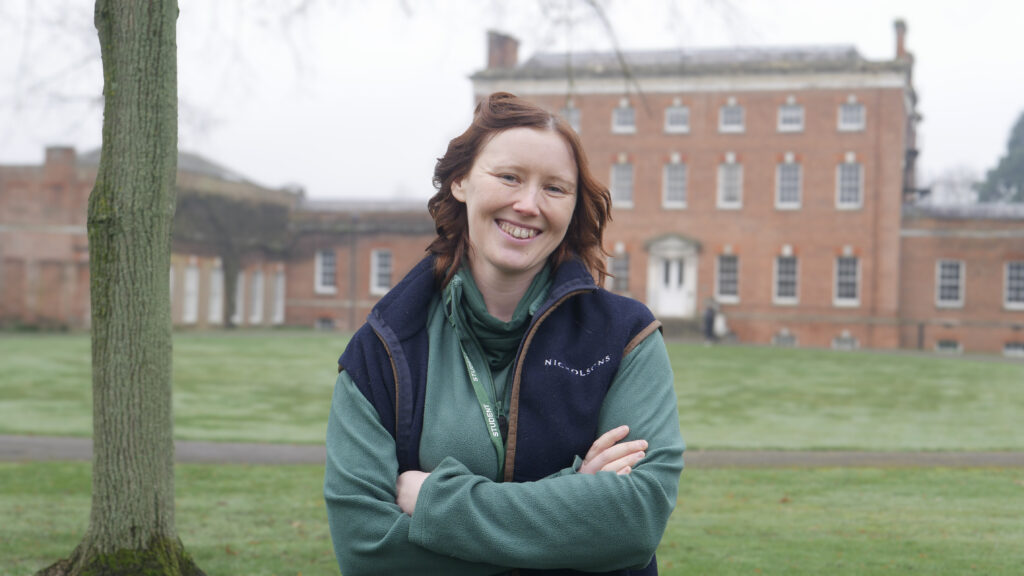
To celebrate National Apprenticeship Week, we sat down with one of our young arborist apprentices, Ami, to find out a bit about her and why she chose to do an Arborist Apprenticeship.
Ami works for Nicholsons, a leading environmental consultancy and contracting firm with offices in Oxfordshire, Gloucestershire and Northamptonshire, whilst studying one day a week at BCA.
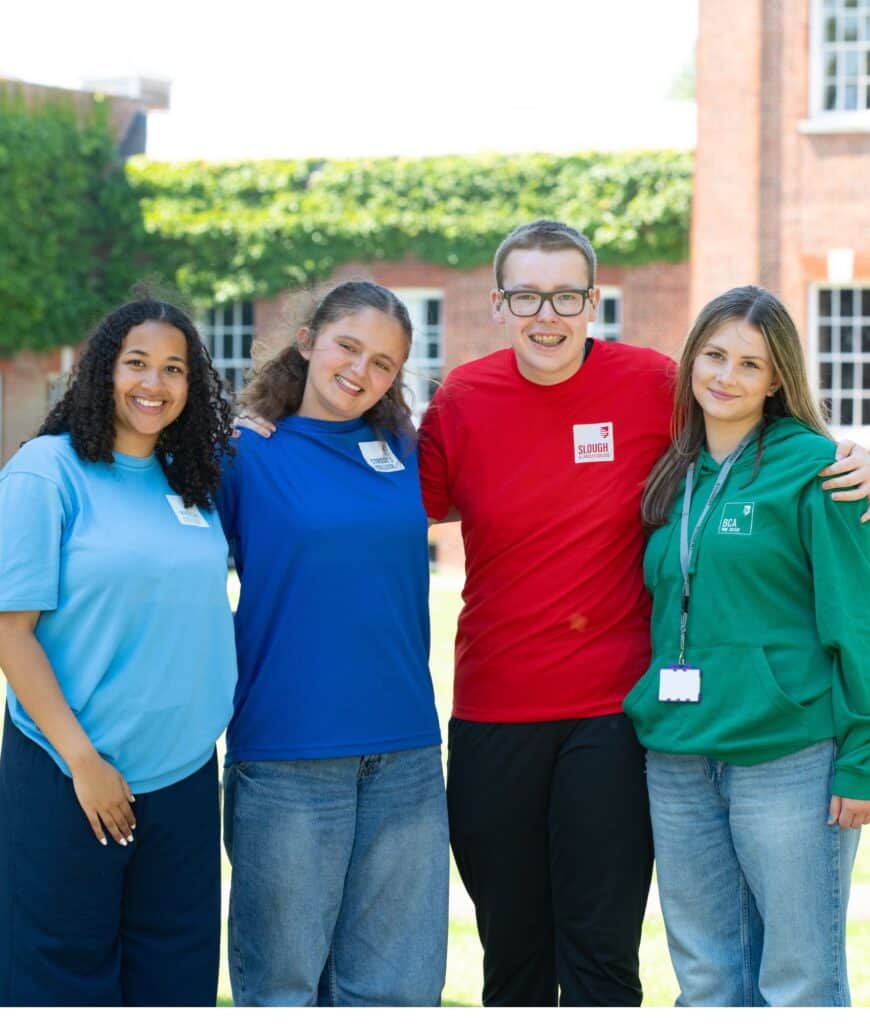
Find out more about our Apprenticeship programme here, or book an Open Day to speak to one of the team.
Can you tell us a bit about you and your career journey so far?
I’ve always loved being outdoors and spending time in nature. About six years ago, I started working as a gardener after completing a horticulture course. I really enjoyed the work, but I knew I wanted to upskill and challenge myself further. That led me to do a chainsaw course, and while I was chatting with the assessor, we got talking about my hobby – rock climbing – which sparked the idea of going into arboriculture.
When I started looking into it, a lot of jobs required experience and professional qualifications. I considered paying for short courses myself, but I really wanted the support and structure of a proper training route. That’s when I saw Nicholson’s advertisement for an apprentice. I went for a trial day and interview, and luckily it all went well.
Before arboriculture, I worked in a horticultural role within a prison, where I taught horticulture classes to inmates and helped grow food for the kitchen. We didn’t use chainsaws there… thankfully! I’m not sure the inmates would have approved. I ran guided sessions and supported rehabilitation through meaningful work. That experience gave me so many transferable skills – plant knowledge, resilience, manual work, and the ability to communicate with a wide range of personalities. Working in a male-dominated sector never worried me after that!
What is your current role like?
At Nicholsons, everyone gets involved in everything, which means I get a huge variety of experience. I do climbing, ground work, and hedge cutting – but climbing is definitely my favourite. I’m practicing more and more and hoping to progress into more advanced cutting and working on spikes soon.
Outside of work, I’m really active. I enjoy rock climbing, rowing, running and yoga, which all help with the physical and mental side of the job.
My training route started with that chainsaw course, and having a connection with one of the Arb managers at Nicholsons (Mike) helped open the door into the industry.
What surprised you most about being an apprentice?
How supportive everyone has been. I started my first job without a huge amount of knowledge, but I was welcomed straight into the team and included in so much from the beginning. A few of the team actually started as apprentices themselves, and lots of people have trained in-house, so there’s a real culture of learning and helping each other improve.
What does a typical day at college or work look like?
College really helps embed what I’m learning at work. Sometimes on site you see something interesting, but there isn’t always time to go into detail. Then at college, those same topics come up again and get explained in different ways, which really helps it stick. Work can be fast-paced, so it’s great to revisit things in a focused learning environment.
I particularly enjoyed learning about cable bracing at college – it’s not something we use all the time at work, so it was interesting to dive deeper into it.
Who inspires you?
My whole team really. They’ve all taken extra time to teach me things, and some have even given up weekends to help me practise and prepare for my EPA. I also come from a family with lots of farmers in our history, so I think that connection to land-based work has always been in me.
What has supported you most in your study and work?
The one-to-one training at work has been amazing, especially with climbing and equipment handling. The college also visits the workplace and logs my hours, which keeps everything on track.
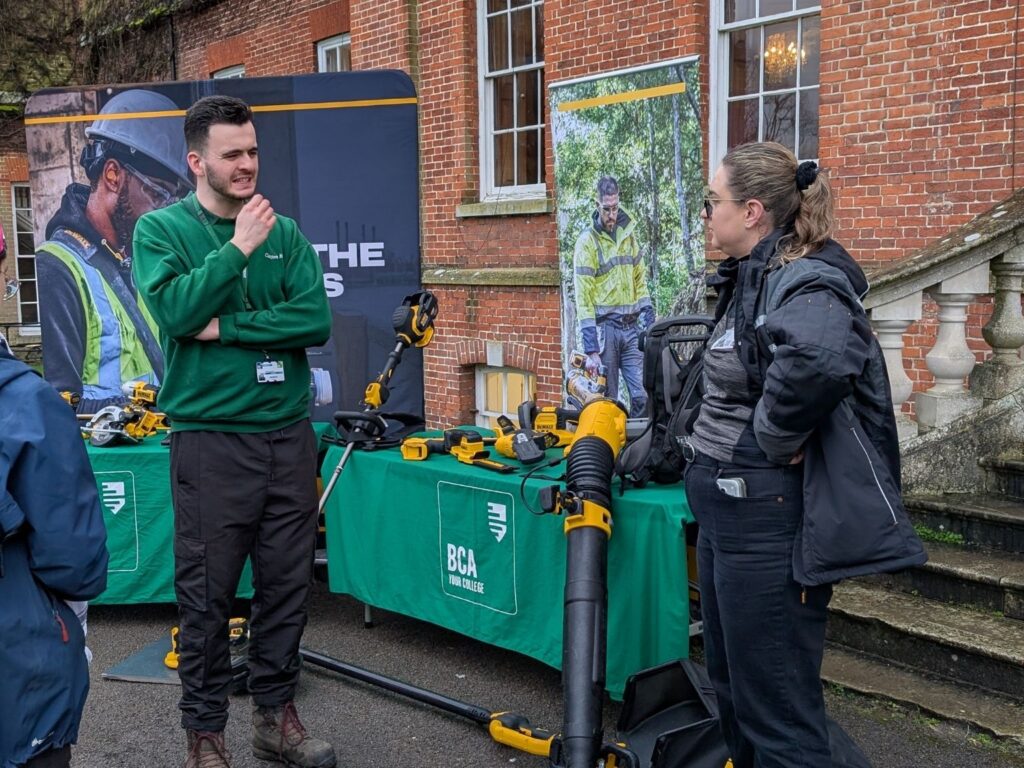
When I first started, I was given all the equipment I needed and was able to try on lots of different harnesses to find the one that suited me best. They all fit differently, and it turned out the previous woman in the role had a harness with shorter bridges, which worked perfectly for me too. That really showed me how important the right gear is – it makes such a difference.
I was also excited to try women’s-fit Arbortec trousers. You don’t realise how much better some ranges suit you until you actually try them – things like a narrower waist make a big difference in comfort and movement.
What are the benefits of working and learning in arboriculture?
You’re outside all the time, working in beautiful places – private gardens and spaces most people never get to see. As I like to say, you get to “see the unseen.”
There’s a great sense of teamwork too. We’re always having a laugh, whether we’re huddled in the van at lunch or building a tarp shelter to stay dry. With the right gear, you can work comfortably in all kinds of weather.
The work is also more varied than people might think. Storm damage jobs, for example, might involve removing sections of fencing to access a tree and then repairing it afterwards. Arboriculture isn’t just about trees – but trees themselves are more complex than people realise. There’s more maths involved than you’d expect, and learning about how trees heal, different diseases, species, and tools like resistographs (which measure internal wood resistance) is fascinating.
How are you finding the work/study balance?
It’s great because you can tailor it to what you want to get out of it. You can do the basics to pass, or really go deeper and aim for a distinction. I sometimes go down research rabbit holes because I find topics so interesting! The skills coaches are brilliant too – if you’re keen to learn more, they’ll send extra resources and research opportunities.
What are you most excited about for the future?
I’m excited to become completely confident in my skills. Crane work is something I’d love to get into one day, and eventually I’d really like to pass my knowledge on and support an apprentice of my own.
You don’t have to be super strong or a certain type of person to work in arboriculture. If you have determination, resilience and passion, there’s space in this industry for everyone.